Loading...
Serving Glendale, CA and surrounding areas. (747) 372-8205
Standing water on your driveway or parking area is not just a nuisance. It softens the asphalt, erodes the base, and can push moisture toward your foundation. We design and install drainage systems built for Glendale's hillside terrain and heavy seasonal storms.
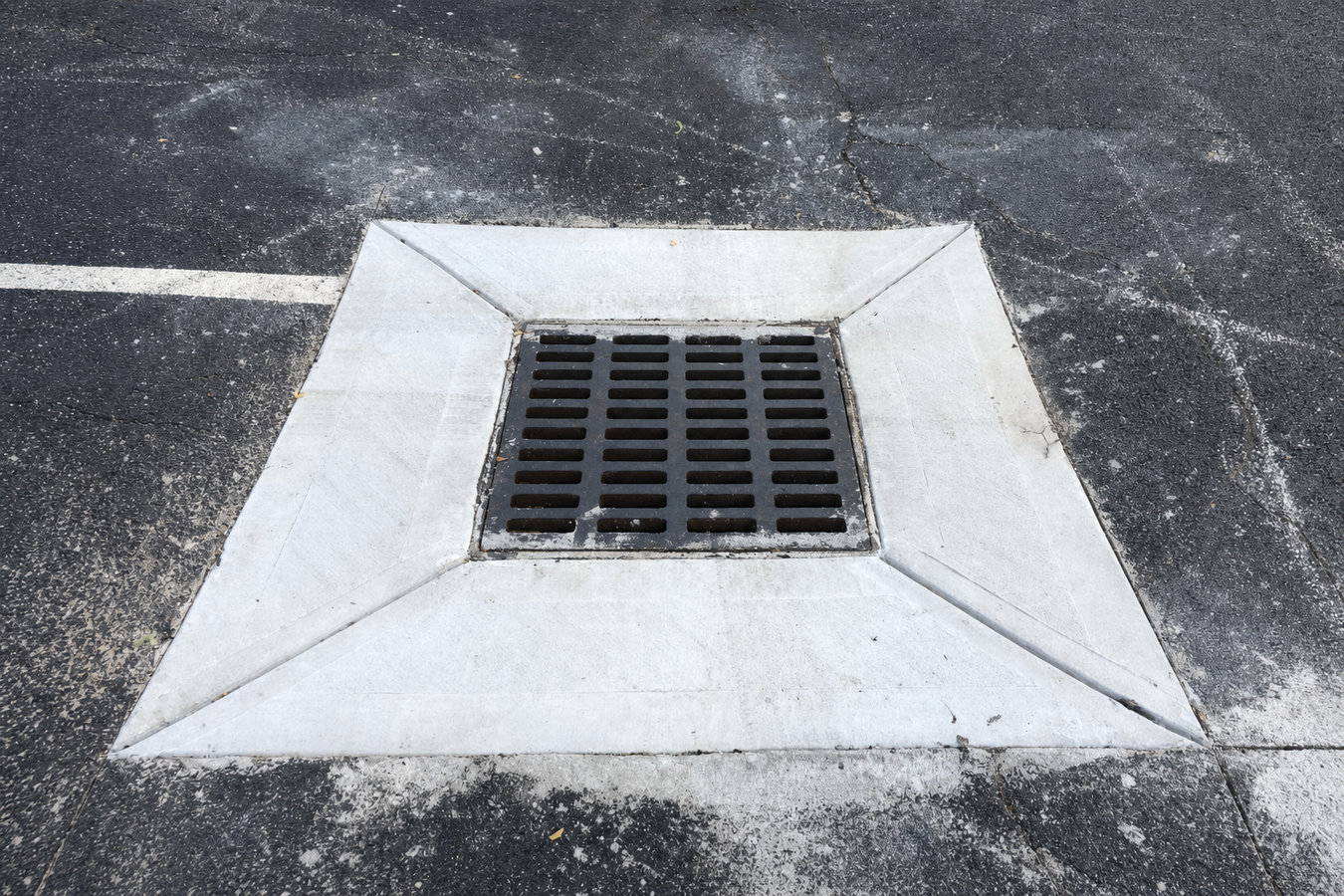
Drainage solutions in Glendale, CA are systems - channel drains, catch basins, French drains, and re-grading - designed to move water off your paved surface and away from your property before it can cause damage, with most residential jobs completed in one to three days.
Glendale's climate makes drainage more important than most homeowners expect. Rain here arrives hard and fast after months of dry weather, and the clay-heavy soils common across the Los Angeles foothills expand and shift when they get wet. A driveway without proper drainage can develop soft spots and edge cracks after just a few wet seasons - damage that looks like a paving problem but is really a water problem underneath.
When a drainage problem is connected to how the ground was originally shaped, our grading and excavation service addresses the underlying slope before the drainage system is installed. Fixing one without the other often leads to the same problem returning.
Standing water in the same spots after every storm is a clear sign the surface is not draining properly. In Glendale, heavy rain arrives fast after long dry spells, and those puddles can sit for hours, softening the asphalt underneath and shortening its lifespan.
Rainwater moving toward your house instead of away from it is more than a nuisance. Water reaching the garage floor, foundation, or crawl space causes damage far more expensive to fix than a drainage system. If this is happening on your property, act before the next storm season.
When water repeatedly collects along asphalt edges, it seeps into the base layer and weakens it. Cracks, crumbling edges, or areas that feel soft underfoot are often a drainage problem underneath - not just normal surface wear. Patching the top without fixing the water will not hold.
On Glendale's sloped lots, fast-moving runoff carves visible channels into the soil along the sides of a driveway after storms. That soil erosion leaves the asphalt edge unsupported and will eventually cause sections to shift or crack. It means water has nowhere proper to go.
We install drainage systems for residential driveways, parking pads, and commercial lots throughout Glendale - from a single channel drain across a driveway apron to multi-basin systems on hillside properties where water arrives from multiple directions. Every project starts with a site visit because drainage problems on a sloped Glendale lot look different from those on a flat street, and the right solution depends on how water actually moves across your specific property.
When the problem involves water arriving from uphill or from saturated soil rather than the paved surface itself, we coordinate the drainage work with our grading and excavation service to reshape the ground and route runoff toward the drain. And once drainage is in place, keeping the surface sealed protects both the asphalt and the drain connections - our speed bump installation team works on the same parking areas and driveways where drainage systems live, so we can coordinate both scopes when needed.
Driveways where water pools across the width of the apron or near the garage door - a channel drain intercepts runoff before it reaches the structure.
Properties with a clear low point where water concentrates - a catch basin collects it and routes it underground to an appropriate discharge point.
Properties where water arrives from saturated soil, sloped neighboring lots, or along the edges of a paved area rather than from the surface itself.
Driveways and parking areas where the original surface was installed without adequate slope - re-grading corrects the pitch so water flows toward the drain as intended.
Glendale sits in the foothills of the San Gabriel Mountains, and the terrain works against poorly drained pavement. When an atmospheric river pushes storm systems through Southern California in winter, rainfall arrives fast on ground that has been bone-dry for months. Water does not soak in - it runs off immediately, and on the hillside streets common across neighborhoods like Montrose and the Verdugo foothills, it gains speed as it moves downhill. A drainage system sized for a gentle drizzle will be overwhelmed. The systems we install are designed for the volume Glendale actually gets, not the average.
The soils here compound the problem. Clay-heavy ground across the Los Angeles basin expands when wet and contracts during the long dry season, creating a slow-motion shifting under whatever sits on top. Good drainage reduces how much water reaches the soil beneath the asphalt, which slows that expansion-contraction cycle and extends the life of the surface. For property owners in flatter parts of the city near Burbank and central Glendale, standing water near the garage or foundation after a storm is the more common concern - and a well-placed drain solves it cleanly.
Call or message us to describe where water is collecting and whether it is reaching structures on your property. We respond within one business day and schedule a site visit to assess the situation in person. We do not quote drainage work without seeing the property first.
A contractor visits to evaluate your lot's slope, identify where water is entering and where it needs to go, and determine the right system for your situation. We check whether your planned discharge point is feasible and whether a permit will be required. You receive a written estimate before any work is scheduled.
If your drainage connects to the public right-of-way or city storm system, we handle the permit application with Glendale's building or public works department. This step can add a week or two, so we start it as early as possible. We will not schedule installation until approvals are in place.
The crew excavates, installs drain components, connects to the discharge point, and patches any asphalt disturbed during the work. We verify the finished grade directs water toward the drains before calling the job done. Fresh patches need 24 to 48 hours to cure before you drive on them.
Free on-site estimate. We assess your property in person before quoting. No pressure, no obligation.
(747) 372-8205California requires asphalt paving and drainage contractors to hold a valid state-issued license. You can verify ours at cslb.ca.gov before work begins. Hiring a licensed contractor gives you recourse if something goes wrong and confirms the crew meets the state's minimum standards. Verify license at cslb.ca.gov.
Drainage on a sloped Glendale lot is different from flat-lot work. Water moves faster on a slope, which changes which drain types work and where the discharge point needs to be. We work regularly on Glendale's hillside streets and know how to design systems that handle the velocity and volume those lots produce.
For drainage that connects to Glendale's public right-of-way or storm system, a permit is required - and we handle the application ourselves. You will not stall on paperwork you did not know was needed. The California State Water Resources Control Board sets the stormwater compliance standards your project must meet. California stormwater rules at waterboards.ca.gov.
We do not quote drainage work from a description. Every Glendale property drains differently based on slope, soil type, and proximity to neighboring runoff. A site visit before the estimate means the system we design is matched to your actual conditions - not a one-size-fits-all spec.
Taken together, these factors mean the drainage system we design for your property will work for your specific lot - not a generic spec that happens to fit. We know how water moves across Glendale, and we build systems that handle it.
When a paved area needs both drainage improvements and traffic calming, combining both services in one project saves time and keeps surface work consistent.
Learn MoreProper site grading is the first line of defense against water problems - when drainage alone is not enough, reshaping the ground corrects the slope at the source.
Learn MoreGlendale's rainy season does not give much warning - get your drainage assessed now so water damage is not on the agenda this winter.